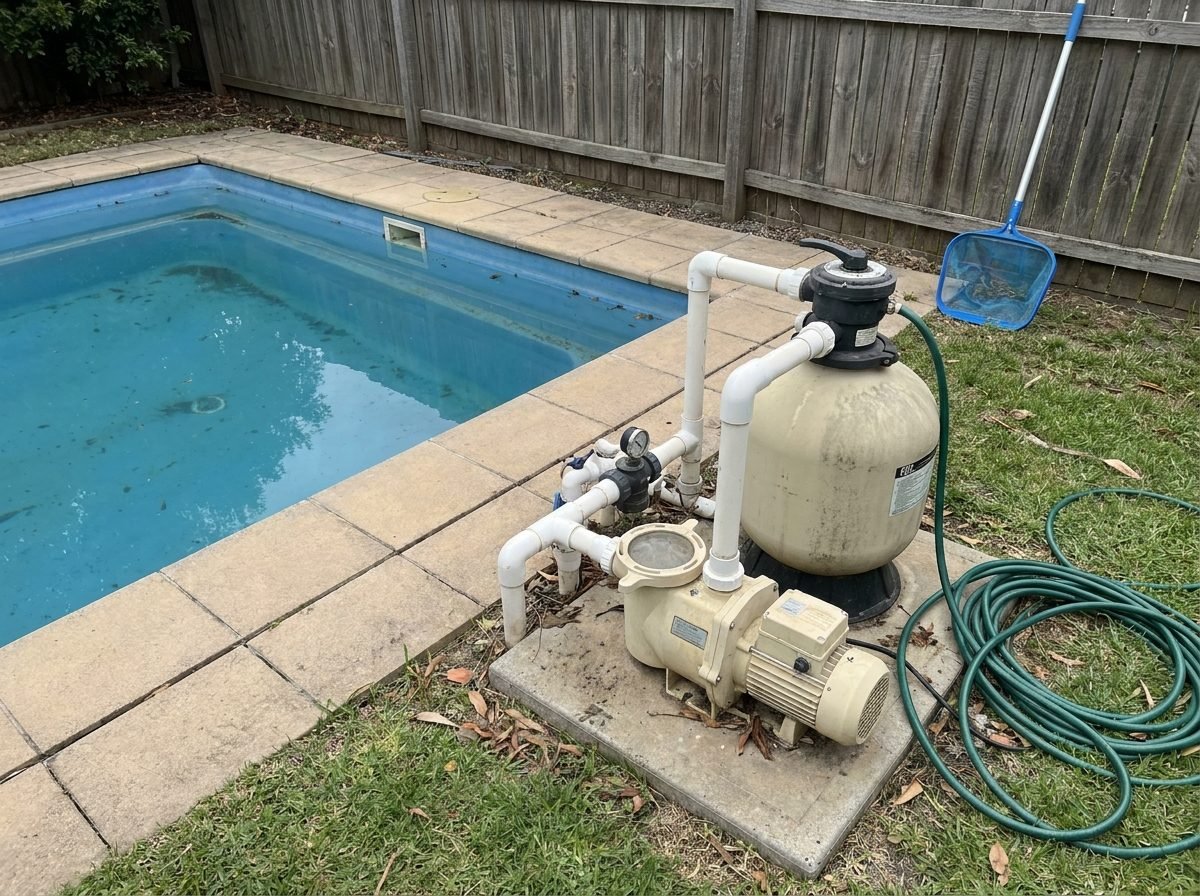
How Pool Pumps Work: The Complete Guide for Australian Pool Owners
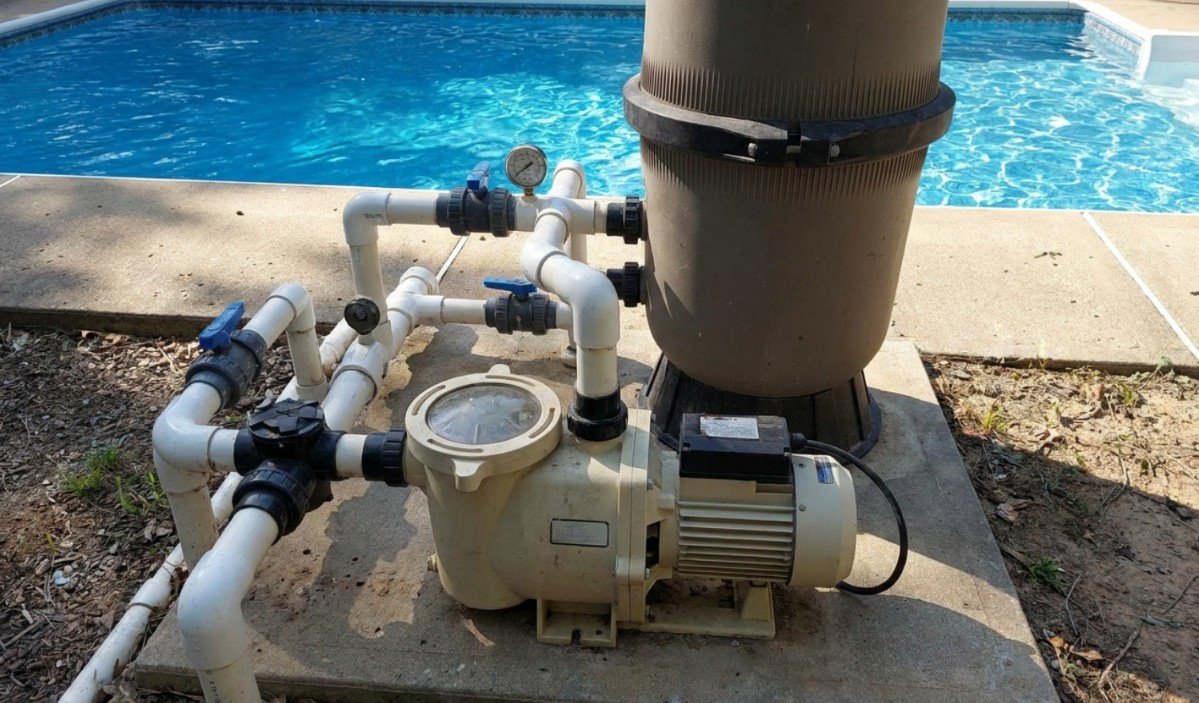
Key takeaway: A pool pump works by spinning an impeller that pulls water through a strainer basket, pushes it through the filter, and returns it clean to the pool, a … Read more
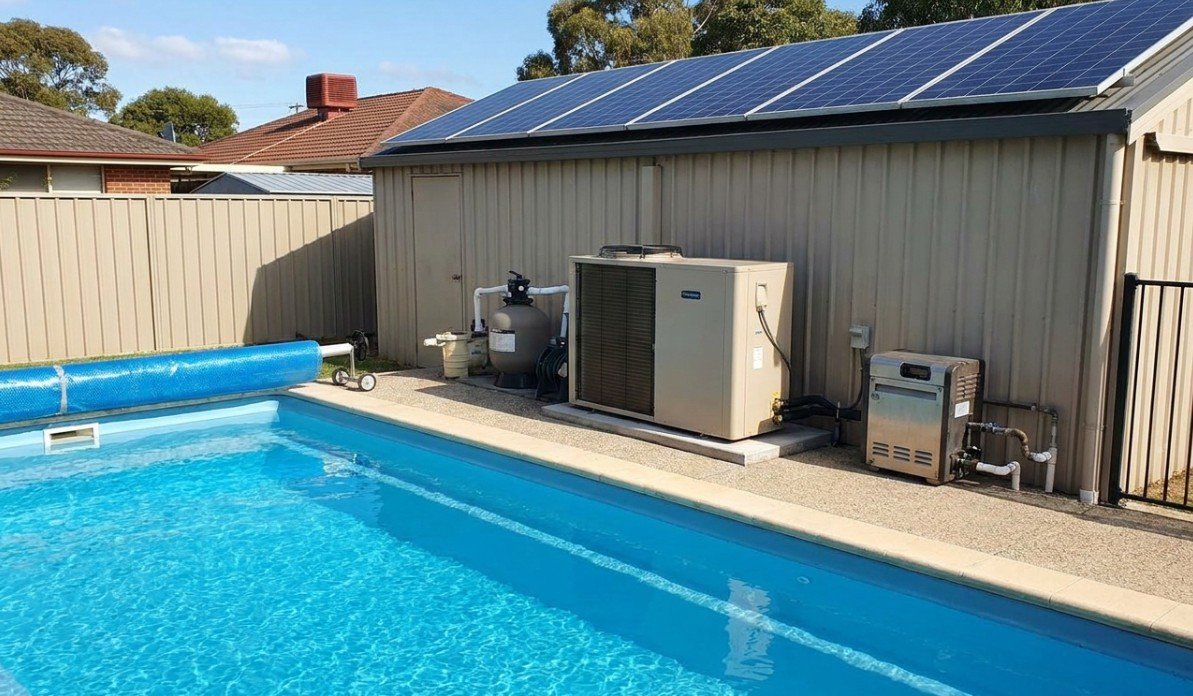
Key takeaway: Solar heating is the cheapest to run, roughly $50–$400 a year depending on whether it needs a dedicated booster pump, but only works when there’s sun and doesn’t … Read more
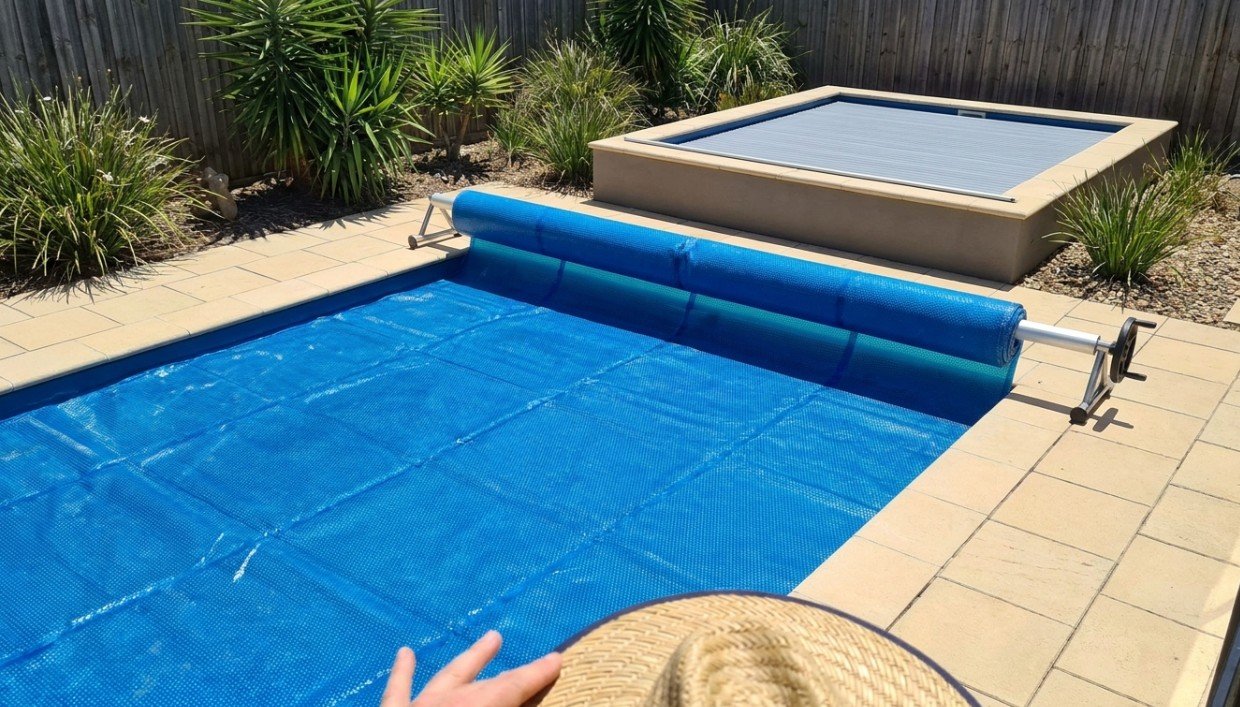
Key takeaway: A rectangular or lap pool suits a roller cover cheaply, from around $1,500 for a manual system, because the straight-line geometry rolls up cleanly. A freeform or kidney-shaped … Read more
How to work out your own pool pump run time using the turnover rule, plus typical seasonal and state-by-state run times for Australia.
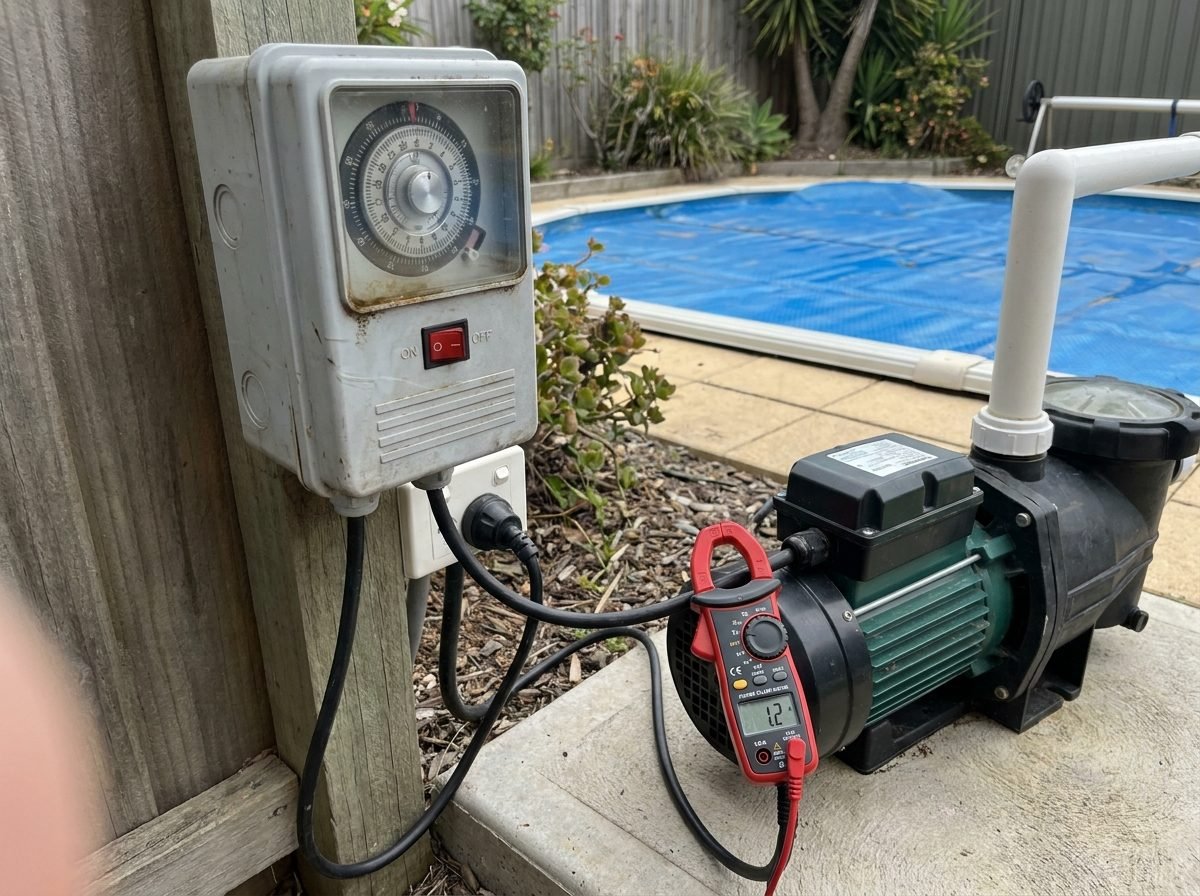
How many watts a pool pump actually draws, the formula to work out your own running cost, and why the AU energy rating label matters.
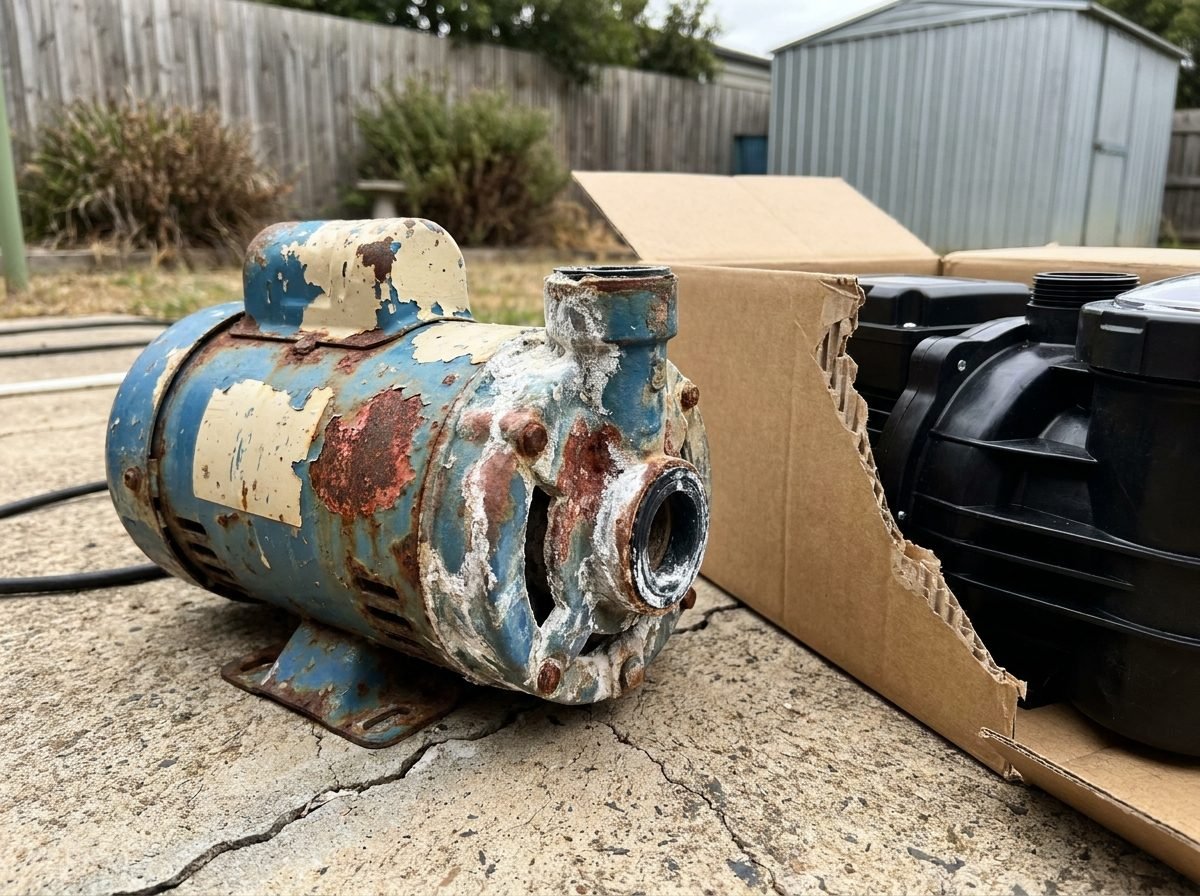
How long pool pumps really last in Australian conditions, the warning signs it’s failing, and when to repair versus replace.